Minimal Thoughts… Not Really
Minimal Thoughts… Not Really
Minimal Thoughts… Not Really
Minimal Thoughts… Not Really
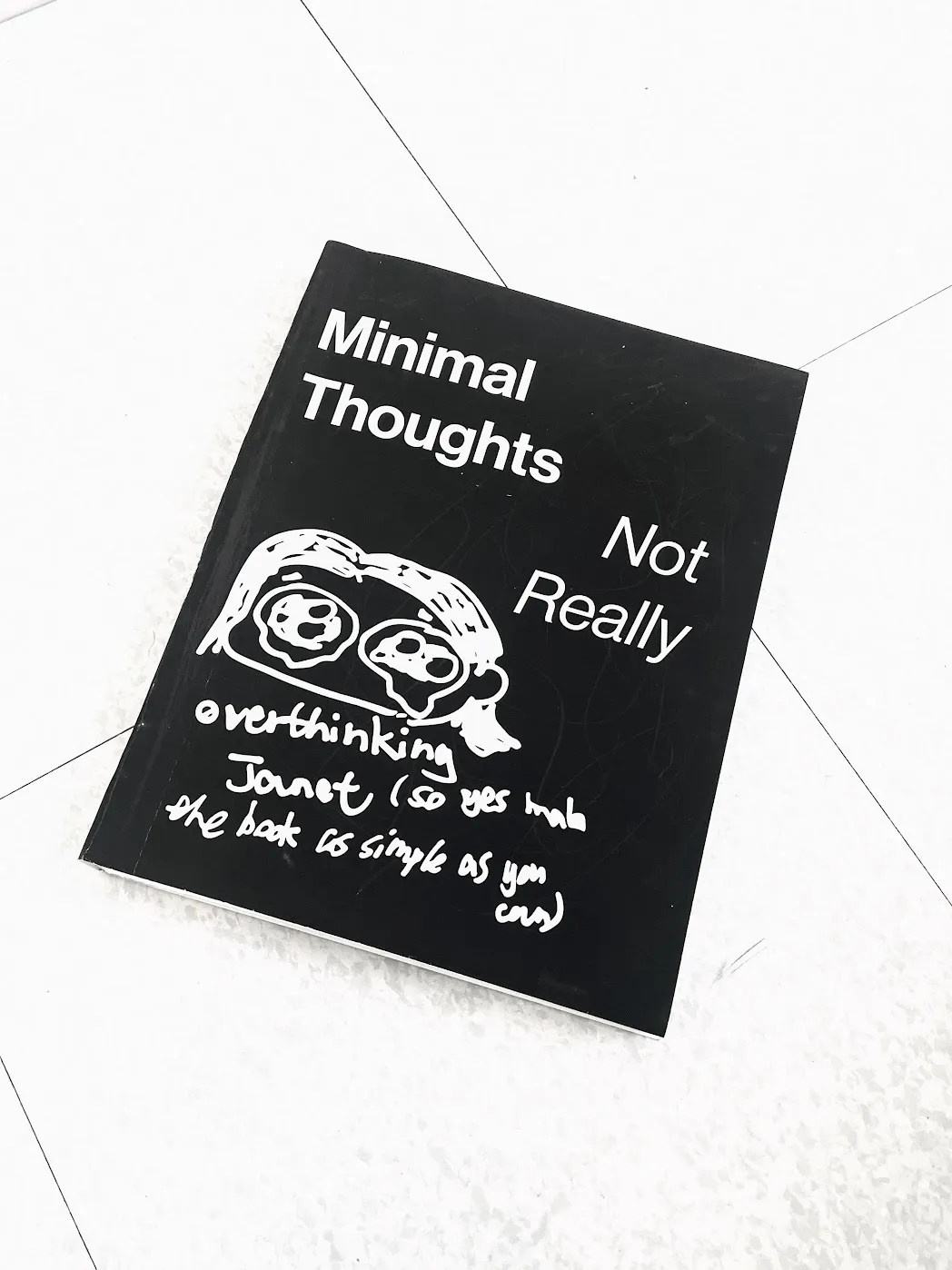
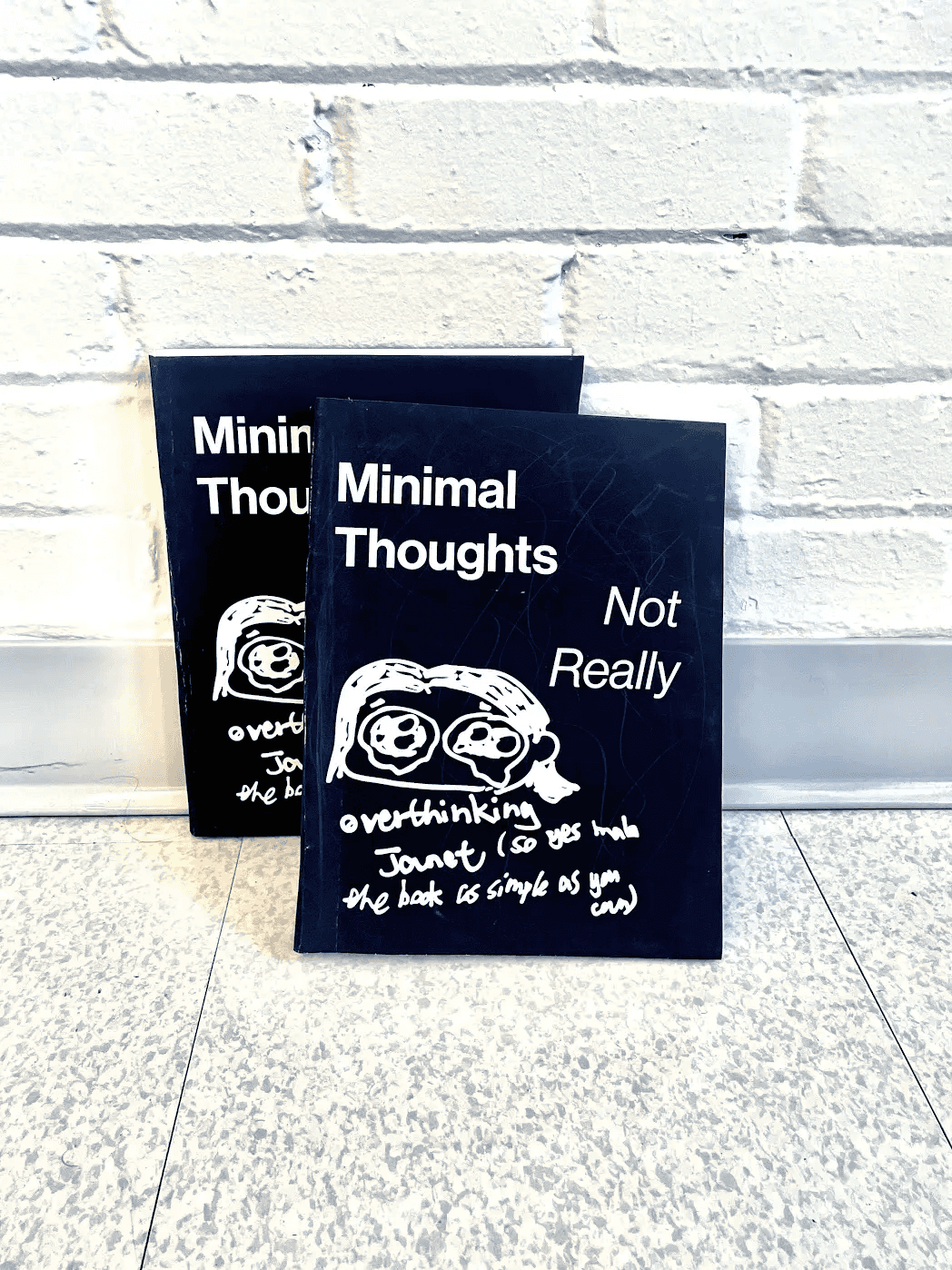
Minimal Thoughts… Not Really is an exploration of the complexity behind minimal design and a concept I’m considering for my final thesis next semester. I wanted to challenge the perception of UX as “boring” or purely functional and focus on the parts that excite me: design thinking, user research, and crafting meaningful experiences. The project reflects on the tension between simplicity and overthinking.
Everything carries a story. Just as a rock is shaped by time and weather, I am shaped by experiences and influences. This 170-page book explores those stories through creative layouts, tracing inspirations from childhood nostalgia to the designs that spark my imagination today. It is the story of how I became the designer I am, and like every story, it is still unfolding.
Category:
Editorial
Tool:
Adobe InDesign
Final Book
Designing the Layout
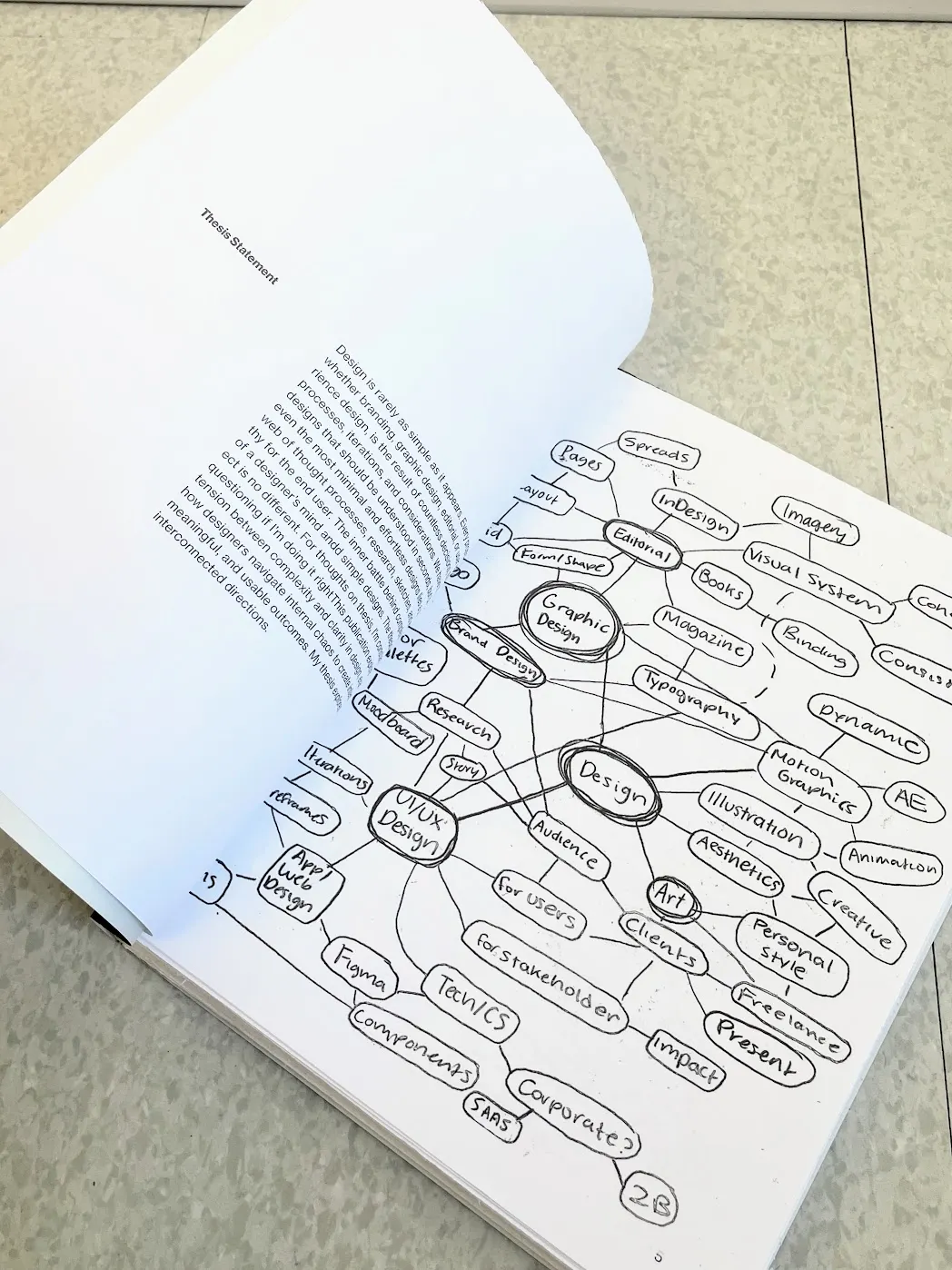
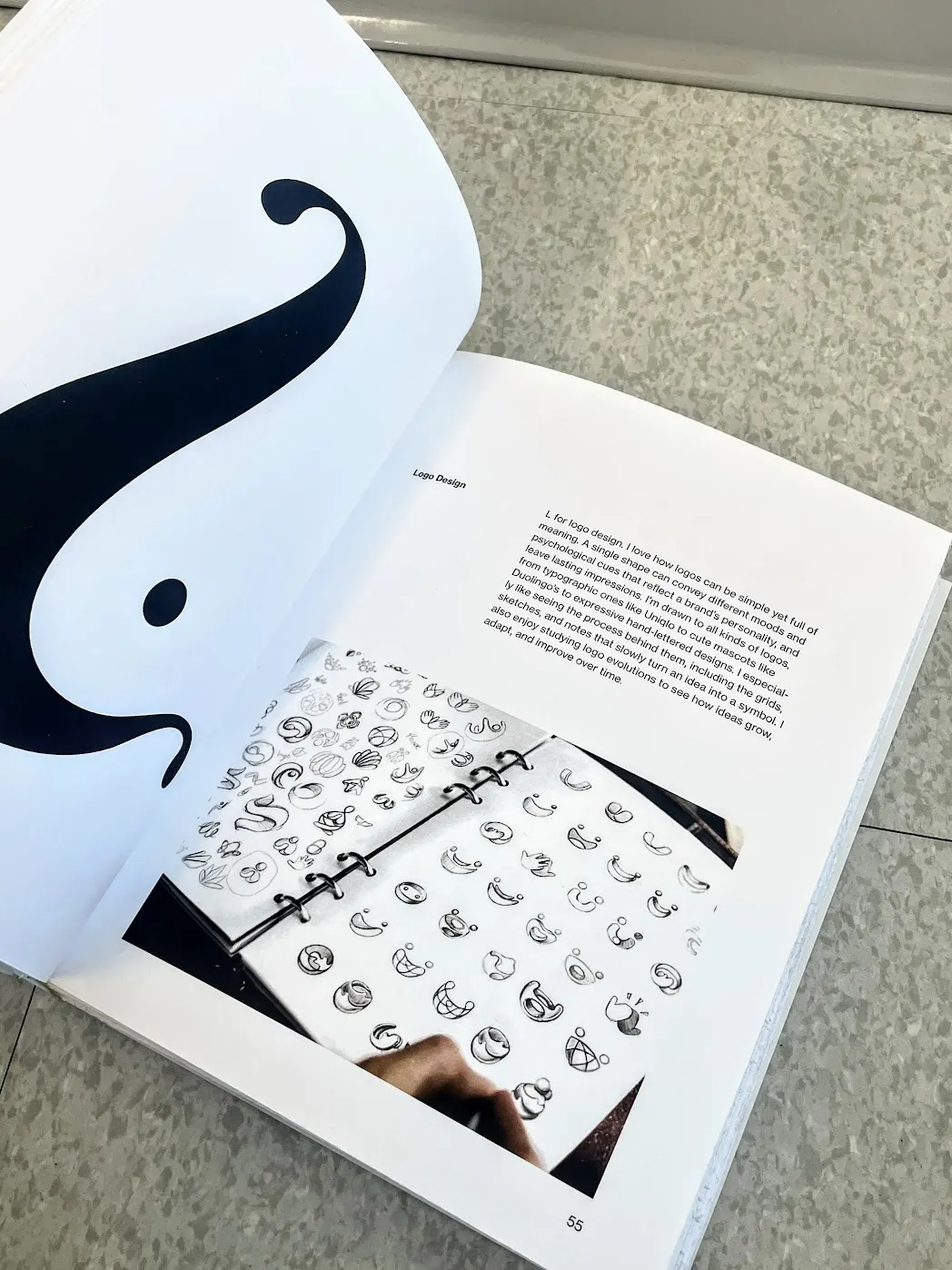
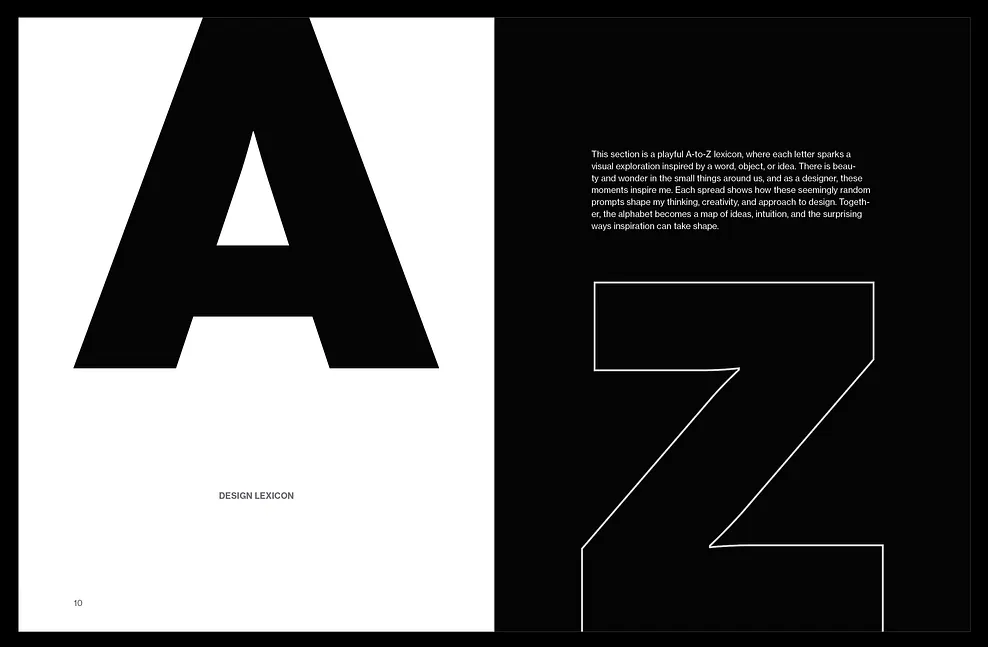
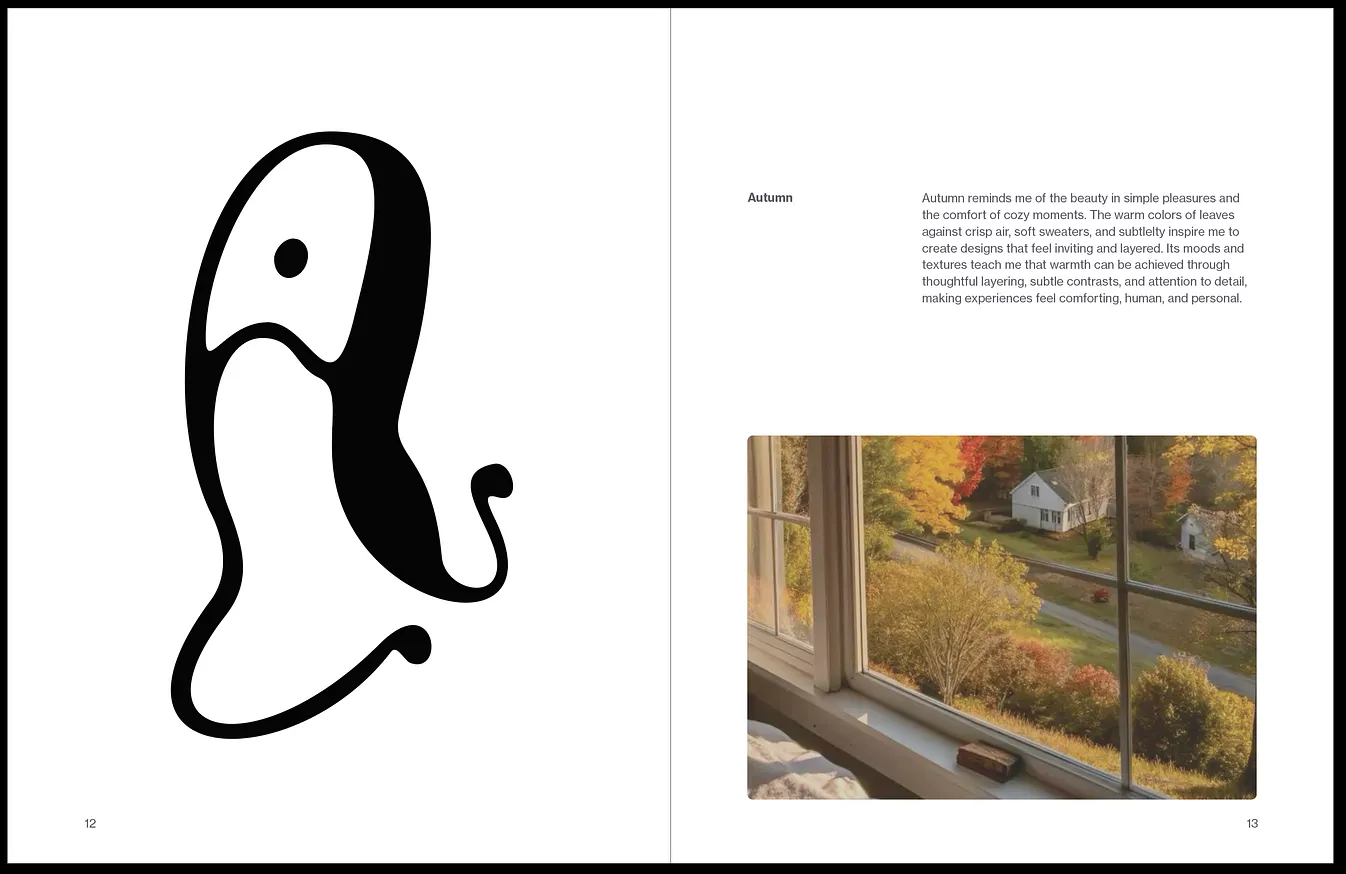
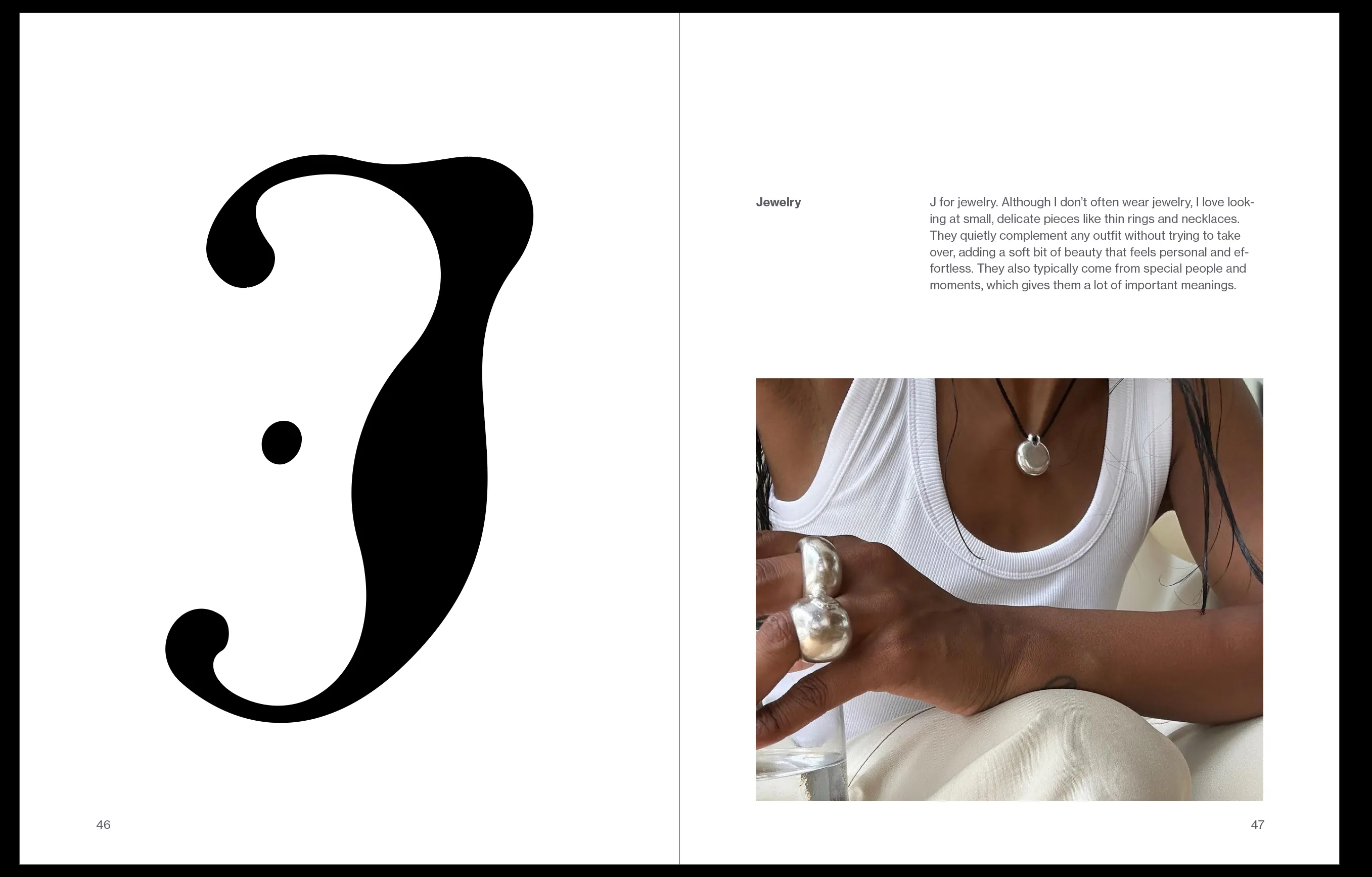
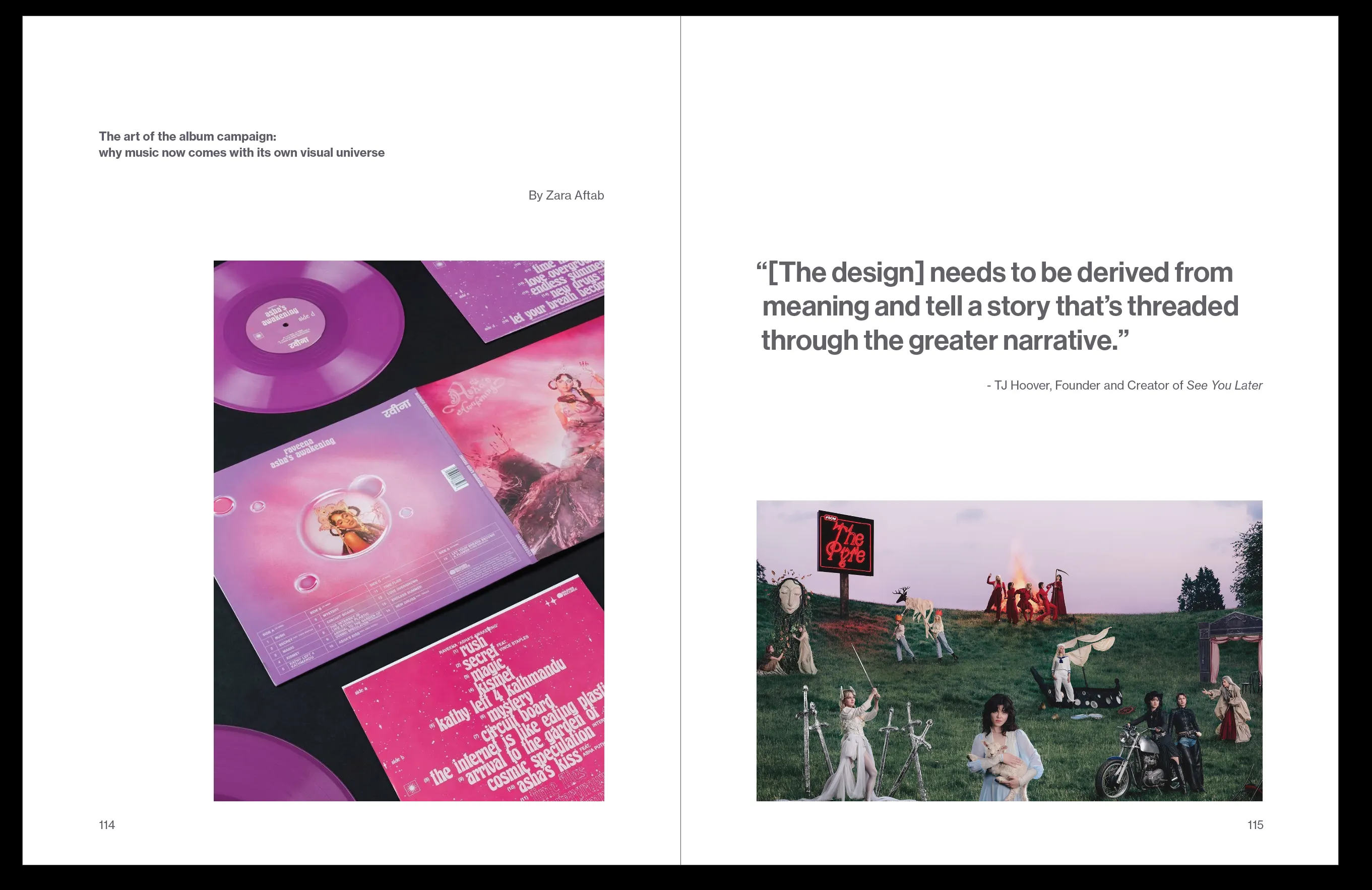
In layout and typography, I aimed for simplicity and clarity to reflect minimalism. Inspired by Kenya Hara, I used a nine-column grid, consistent Helvetica, and a uniform image layout, embracing whitespace and conveying confidence without extra embellishments. A key section is the lexicon, which features letters representing sources of inspiration. For these pages, I combined the minimal layout with custom lettering in Glyphs, highlighting the details of type within a clean, restrained framework.
In layout and typography, I aimed for simplicity and clarity to reflect minimalism. Inspired by Kenya Hara, I used a nine-column grid, consistent Helvetica, and a uniform image layout, embracing whitespace and conveying confidence without extra embellishments. A key section is the lexicon, which features letters representing sources of inspiration. For these pages, I combined the minimal layout with custom lettering in Glyphs, highlighting the details of type within a clean, restrained framework.
In layout and typography, I aimed for simplicity and clarity to reflect minimalism. Inspired by Kenya Hara, I used a nine-column grid, consistent Helvetica, and a uniform image layout, embracing whitespace and conveying confidence without extra embellishments. A key section is the lexicon, which features letters representing sources of inspiration. For these pages, I combined the minimal layout with custom lettering in Glyphs, highlighting the details of type within a clean, restrained framework.
Designing the Layout
In layout and typography, I aimed for simplicity and clarity to reflect minimalism. Inspired by Kenya Hara, I used a nine-column grid, consistent Helvetica, and a uniform image layout, embracing whitespace and conveying confidence without extra embellishments. A key section is the lexicon, which features letters representing sources of inspiration. For these pages, I combined the minimal layout with custom lettering in Glyphs, highlighting the details of type within a clean, restrained framework.
In layout and typography, I aimed for simplicity and clarity to reflect minimalism. Inspired by Kenya Hara, I used a nine-column grid, consistent Helvetica, and a uniform image layout, embracing whitespace and conveying confidence without extra embellishments. A key section is the lexicon, which features letters representing sources of inspiration. For these pages, I combined the minimal layout with custom lettering in Glyphs, highlighting the details of type within a clean, restrained framework.
Contact Me!
Contact Me!

janetjliu

janetliu.ca@gmail.com